
Resume screening still sits at the center of most hiring strategies in the United States. Not because it is flawless, but because it solves a real operational problem. Volume.
By 2026, many employers face wider candidate pools, higher applicant velocity, and tighter expectations around time to hire. According to the U.S. Bureau of Labor Statistics, job openings in professional and business services remain structurally higher than pre-2020 levels, even as hiring slows in some sectors.
Against that backdrop, resume screening functions as the first serious decision point in recruitment. When designed well, it improves speed, consistency, and legal defensibility. When handled poorly, it introduces bias, delays shortlists, and frustrates hiring managers.
This article examines the benefits of resume screening as a recruitment tool and where recruitment process outsourcing, or RPO, meaningfully improves how companies apply it.
Table of Contents
Why Resume Screening Still Anchors Recruitment Strategies
Resume screening persists because it addresses a constraint no hiring technology has eliminated. Human attention.
Most hiring teams cannot meaningfully review every application in depth. Screening creates a structured way to narrow focus on candidates who meet defined requirements. That structure matters.
The Equal Employment Opportunity Commission recommends that employers screen applications using the same standards for all candidates and apply selection criteria that relate to the duties and qualifications necessary for the job, which helps ensure consistent, job-related decision making in early stages of hiring.
From a compliance and governance standpoint, screening remains defensible. This is especially important in the age of AI. Companies using AI recruiting software need to be aware that they are still responsible for eliminating algorithmic bias. If you can’t explain how the decisions were made by AI, they are not defensible and they put you at risk.
The Core Benefits of Resume Screening for Employers
Resume screening delivers value when it stays within its proper scope.
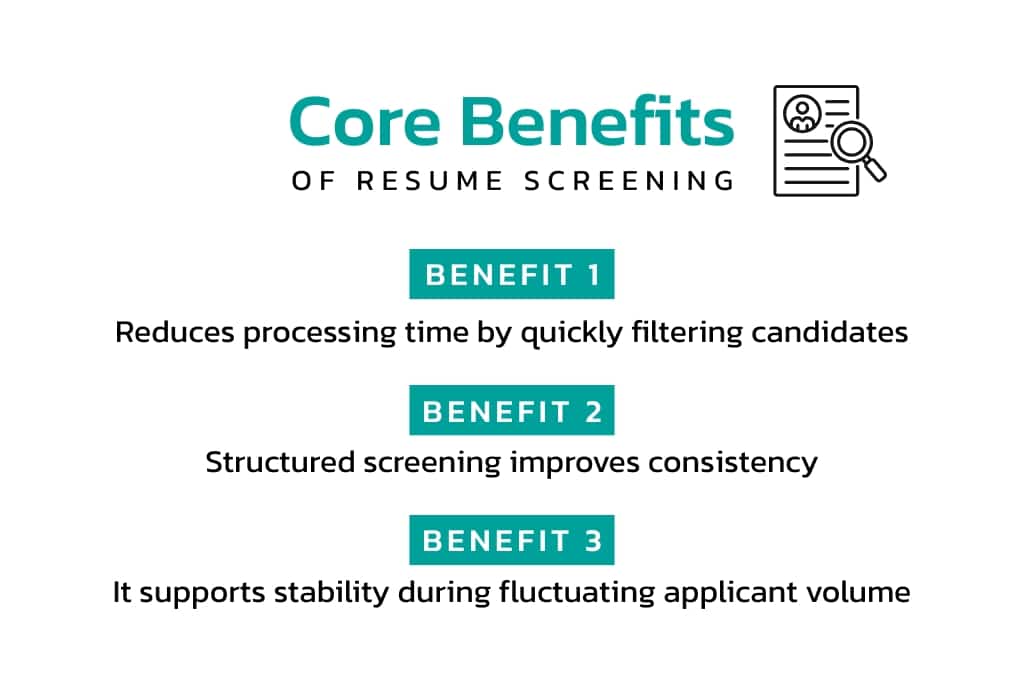
First, it reduces processing time. Screening filters out candidates who clearly lack baseline qualifications, allowing recruiters and hiring managers to spend time where it matters.
Second, it improves consistency. Structured screening criteria reduce variance across reviewers, particularly in high-volume roles.
Third, it supports scalability. As applicant volume fluctuates, screening criteria can adjust without rebuilding the entire hiring process.
These benefits explain why resume screening remains embedded in most hiring strategies, even as skills assessments and structured interviews gain ground.
Resume Screening and Time-to-Fill Outcomes
Time to fill remains a primary metric for hiring managers and HR leaders because vacancies create immediate operational drag. LinkedIn’s Economic Graph analysis of 400,000 confirmed hires found a median time-to-hire of 49 days for engineering roles, with other stakeholder-heavy roles close behind, such as product management at 47 days and business development at 46 days.
Roles with simpler evaluation loops move faster, with administrative jobs at 33 days and customer service at 34 days. Longer cycles are not just a candidate-experience issue. They force teams to operate understaffed for weeks at a time, which compounds workload and delays delivery on time-sensitive work.
Resume screening affects time to fill more than most teams realize. Overly narrow criteria shrink pipelines and trigger repeated reposting. Overly loose criteria flood recruiters with marginal candidates.
In practice, organizations that periodically recalibrate screening requirements reduce time to fill without increasing interview volume. The gains come from clarity, not from faster clicking.
Where Resume Screening Adds Signal and Where It Adds Noise
Resume screening performs well when it evaluates concrete, role-linked evidence.
Evidence includes scope of responsibility, regulated experience, technical certifications, and measurable outcomes. Noise includes employer prestige, keyword density, and linear career narratives that do not map to job performance.
Academic research supports this distinction. A study published in the Journal of Applied Psychology found that structured evaluation of job-relevant experience predicts interview performance better than unstructured resume review.
The benefit of screening is not prediction of success. It is prioritization of review.
The Hidden Cost of Poorly Designed Resume Screening
Resume screening fails quietly.
Candidates do not complain when they never hear back. Hiring managers only see the consequences weeks later when shortlists thin or quality declines.
A common pattern emerges across organizations. Screening criteria harden over time. Requirements accrete. Market conditions shift, but the filters remain.
This leads to a paradox. Employers report talent shortages while excluding qualified candidates upstream. Resume screening becomes a bottleneck, not because of volume, but because of outdated assumptions embedded in the criteria.
How Resume Screening Interacts with Skills-Based Hiring
Skills-based hiring continues to influence recruitment strategies, particularly in technical, operational, and mid-skill roles.
The challenge is structural. Resumes reflect past roles. Skills frameworks aim to assess future capability. When screening tries to infer skills indirectly, error rates rise.
In practice, effective resume screening decides who deserves skills evaluation, not who definitively has the skills.
Why Internal Teams Struggle to Maintain Screening Quality
Internal recruiters face competing demands. Requisitions spike. Hiring managers push for speed. Screening criteria rarely receive formal review once a role opens.
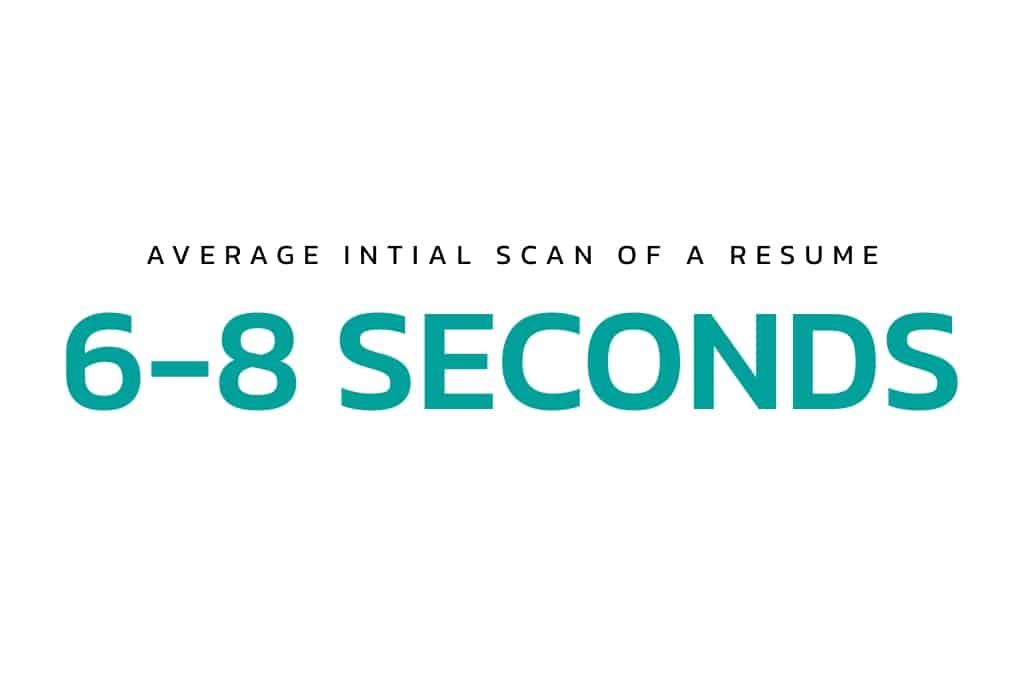
As applicant volumes increase, reviewers spend only a few seconds on each resume and tend to focus on obvious features such as headers, dates, job titles, and formatting rather than deeper evidence of fit. Eye-tracking and recruiter behavior data show initial resume scans averaging six to eight seconds on key visible elements, meaning volume pressure amplifies reliance on surface cues during screening
This is not a capability issue. It is a capacity issue.
Where RPO Services Strengthen Resume Screening
RPO services improve resume screening by design, not by automation alone.
Dedicated RPO teams build and maintain screening frameworks tied to labor market data and role-specific outcomes. They recalibrate criteria as supply shifts, rather than relying on static templates.
In practice, this often leads to broader, more accurate pipelines without increasing downstream interview load. Screening becomes a managed process rather than an administrative task.
Resume Screening Consistency at Scale
One advantage of RPO support is consistency across roles, teams, and geographies.
When multiple hiring managers screen independently, variance increases. RPO models centralize early screening decisions, applying calibrated criteria before candidates reach individual stakeholders.
This reduces friction later in the process. Interviewers see more comparable candidates. Decision cycles shorten.
Data Feedback Loops and Screening Improvement
Most internal teams lack feedback loops between screening decisions and hiring outcomes. RPO providers track this connection.
By linking screening criteria to interview pass rates and hiring manager feedback, RPO teams adjust filters based on evidence rather than instinct. Over time, this improves signal quality.
A consistent pattern emerges. Screening criteria that correlate with interview success become more prominent. Those that do not quietly disappear.
Resume Screening and Bias Mitigation
Bias risk concentrates early in the hiring funnel. Resume screening is no exception.
Research from the National Bureau of Economic Research shows that initial screening decisions account for a large share of demographic filtering before interviews occur.
Using an RPO-supported screening process helps reduce bias and inconsistencies because it uses a clear, structured criteria and makes sure reviewers are aligned on how they evaluate candidates. It may not reduce bias completely, but it does reduce it’s influence.
The benefit is not perfection. It is measurably improved consistency.
When Resume Screening Should Be Revisited
Resume screening criteria should change when roles change, markets tighten, or business priorities shift.
Organizations that revisit screening quarterly reduce stalled searches and last-minute requirement changes. This discipline matters more in 2026, as labor supply fluctuates by role and region.
RPO services formalize this review cycle. Internal teams often do not have the bandwidth.
How WorkRocket Supports Resume Screening at Scale
WorkRocket partners with organizations to design resume screening frameworks aligned to our partners’ job demands and current labor markets.
That includes defining minimum viable qualifications, removing legacy requirements, and aligning screening decisions with downstream assessments. The result is faster shortlists, higher interview quality, and less friction between recruiters and hiring managers.
Conclusion
Resume screening remains a core recruitment tool because it solves a real problem. Volume.
Its benefits depend on how it is designed, applied, and maintained. When criteria align with role outcomes, screening improves speed, consistency, and defensibility. When criteria drift, it quietly constrains hiring.
RPO services strengthen resume screening by treating it as a managed system rather than an administrative step. For organizations refining their hiring strategies in 2026, improving screening design is often the highest leverage move available.
If you need assistance with your resume screening process, reach out to the team at WorkRocket to talk about the options available to you.
